Ancient India isn’t a single door you open. It’s a corridor of thresholds. You step from brick to brick and the centuries shuffle around you.
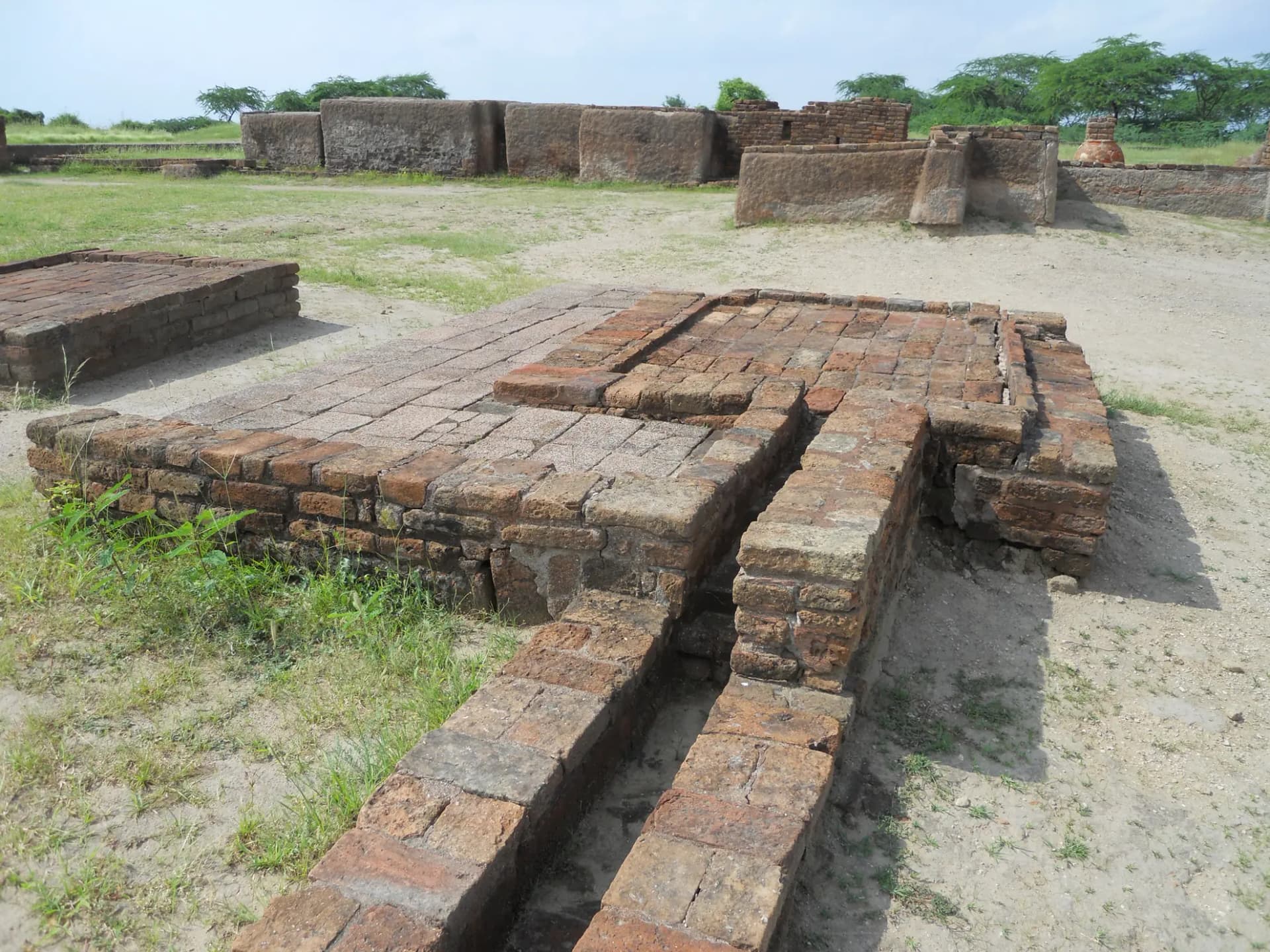
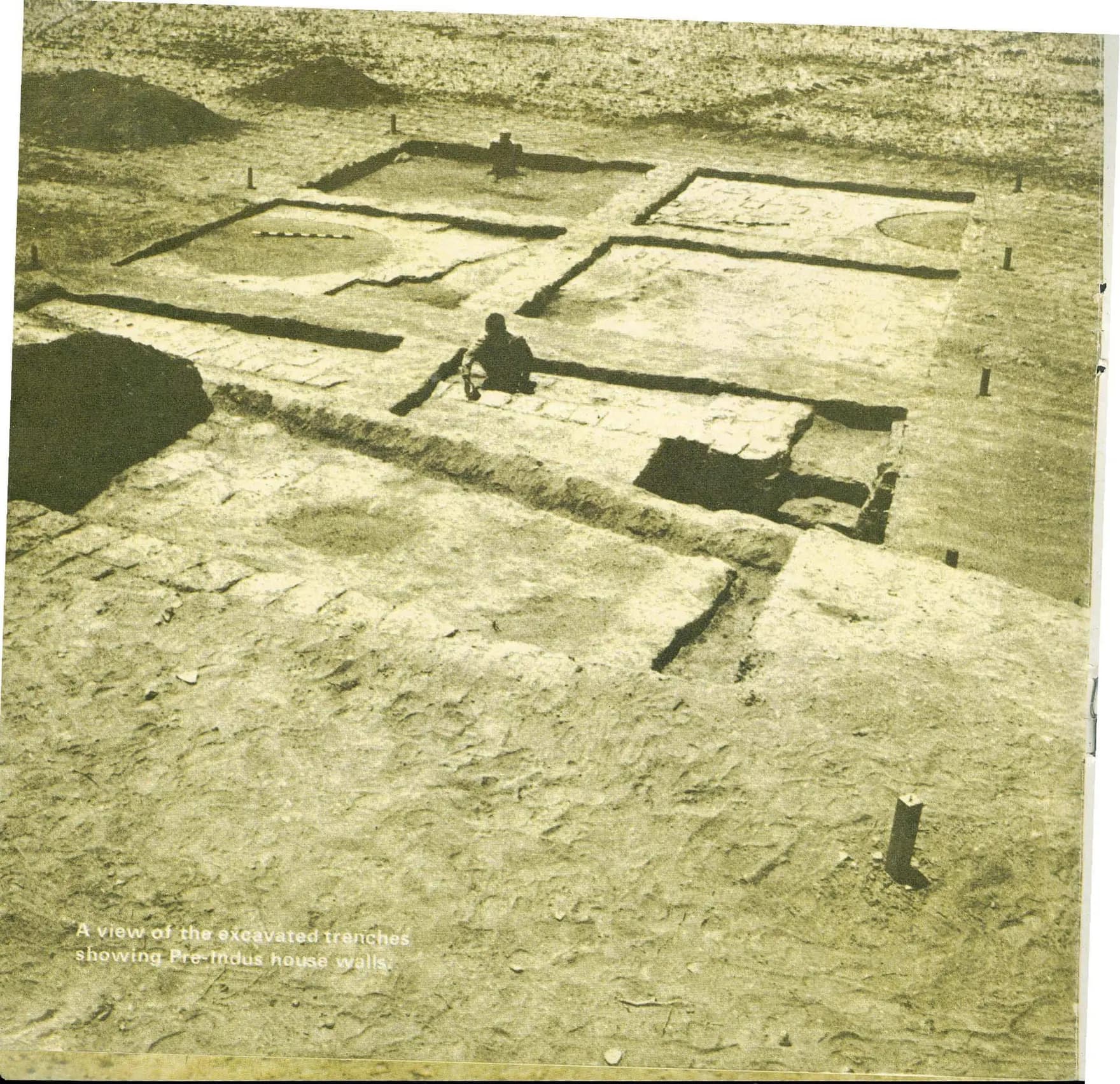
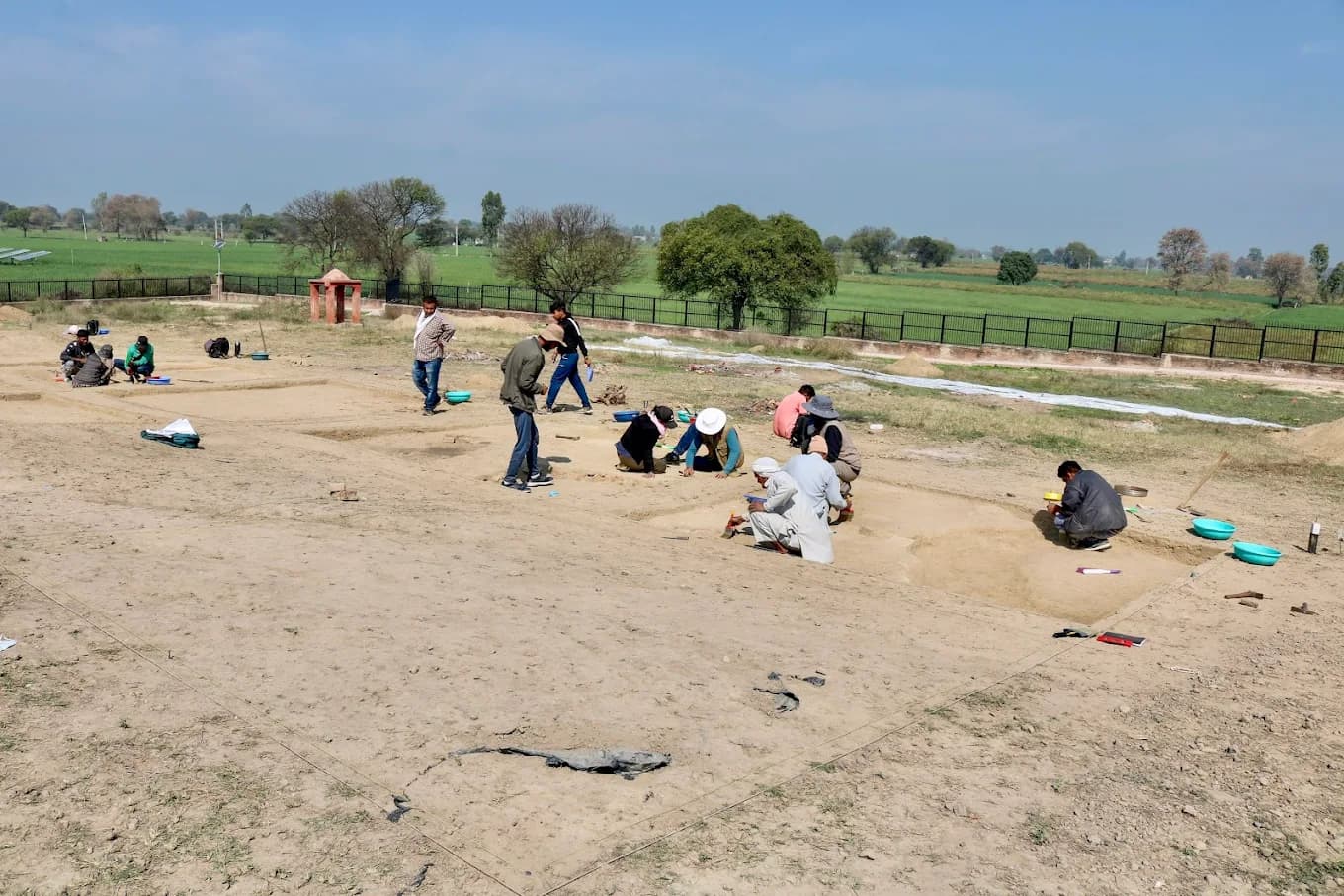
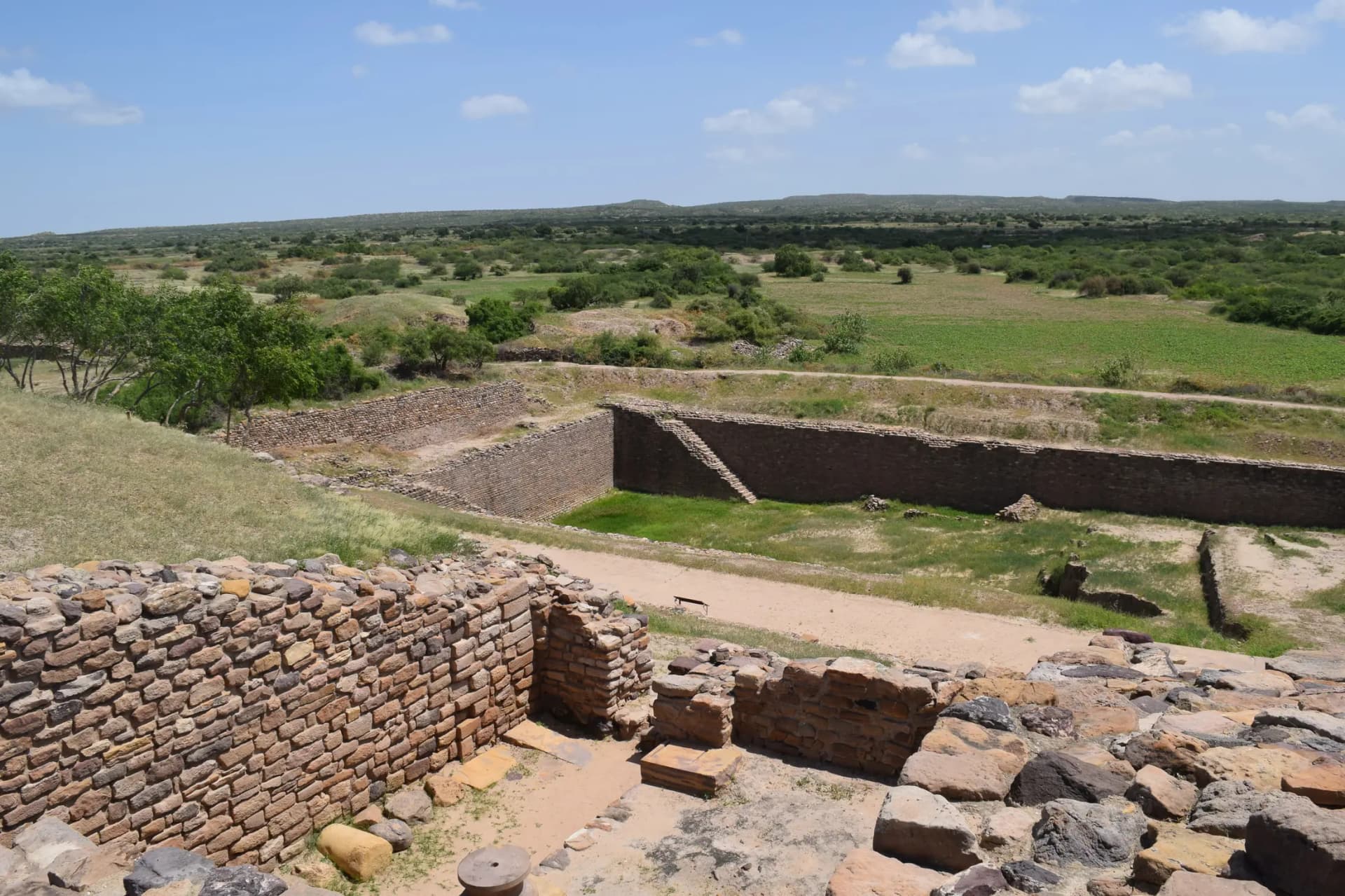
At Lothal the outline of a dockyard sits beside bead kilns and warehouses, tidy as a checklist for a port town that trusted the tides. Rakhigarhi is scale — broad mounds and street plans asleep in the fields. Dholavira is method — reservoirs and channels that made a salt island livable, proof that engineering can be a culture.
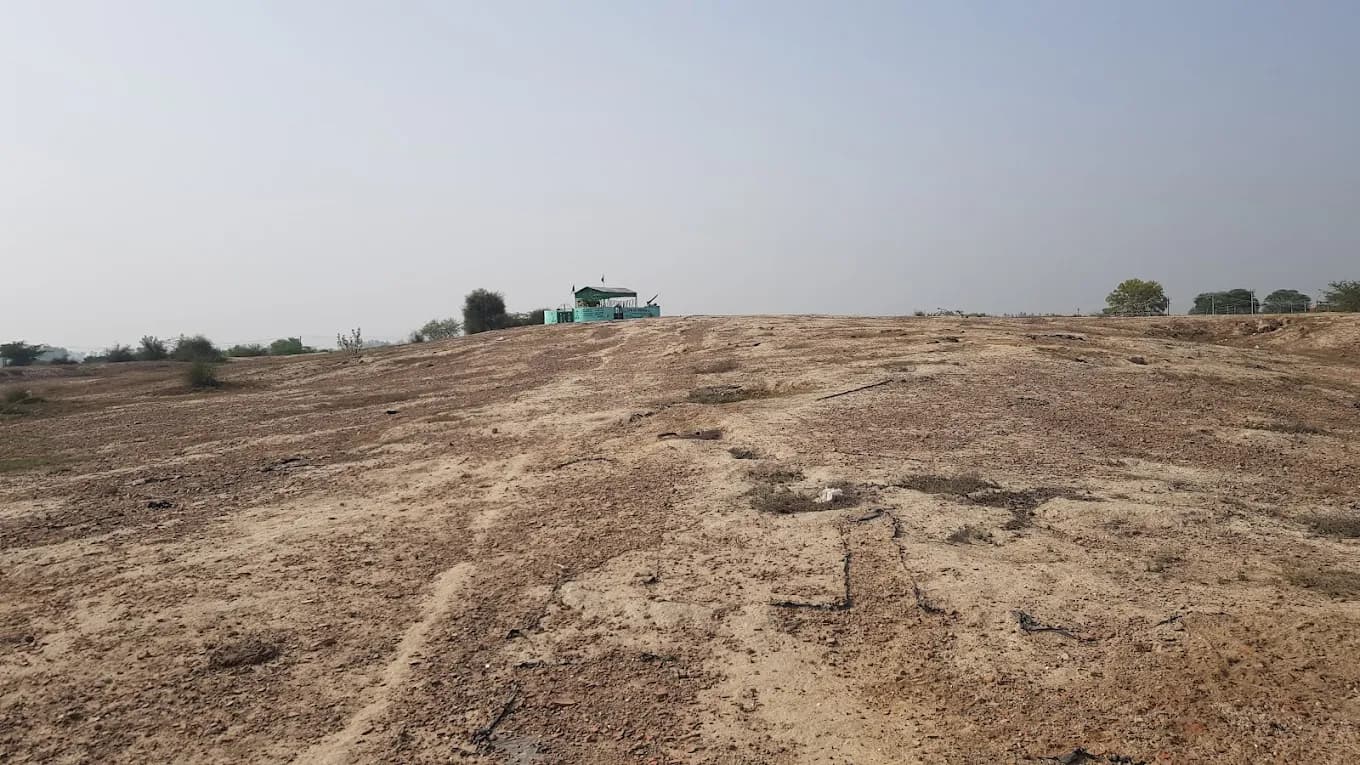
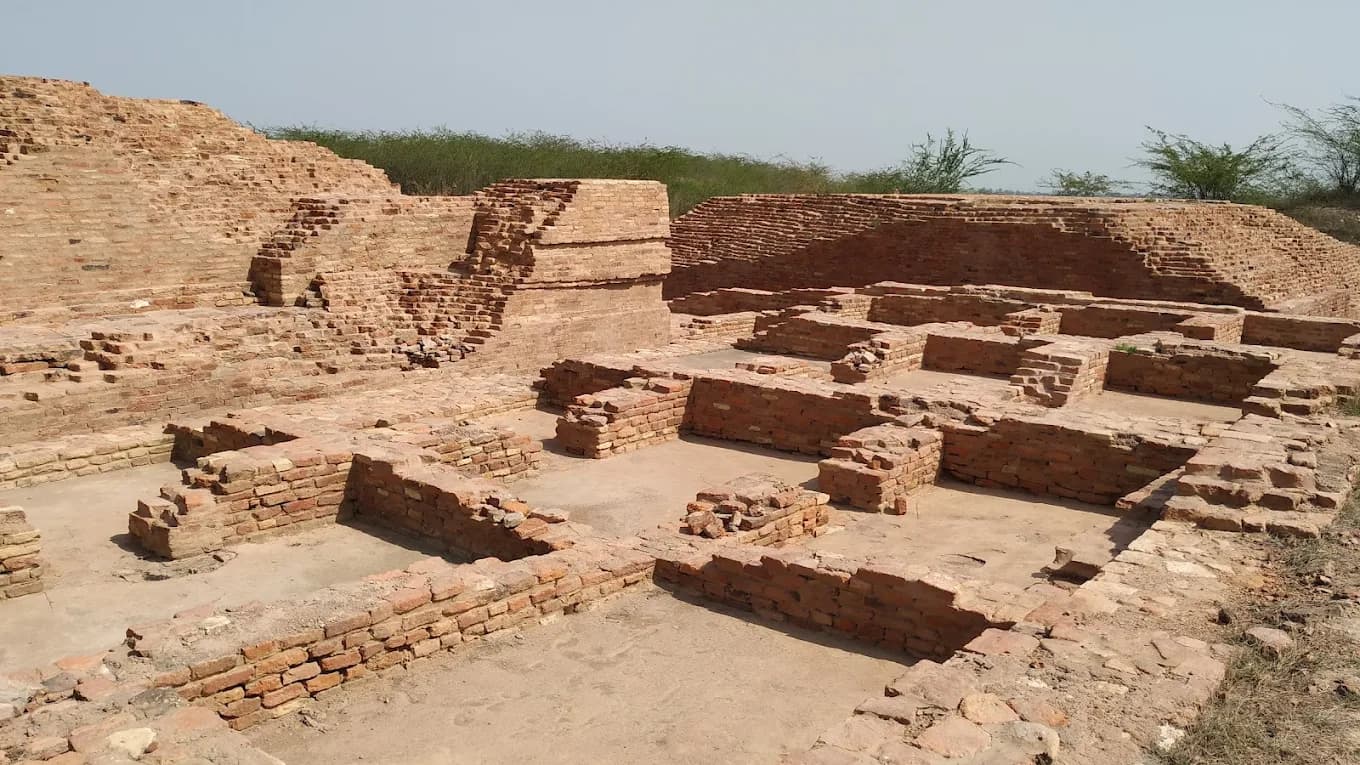
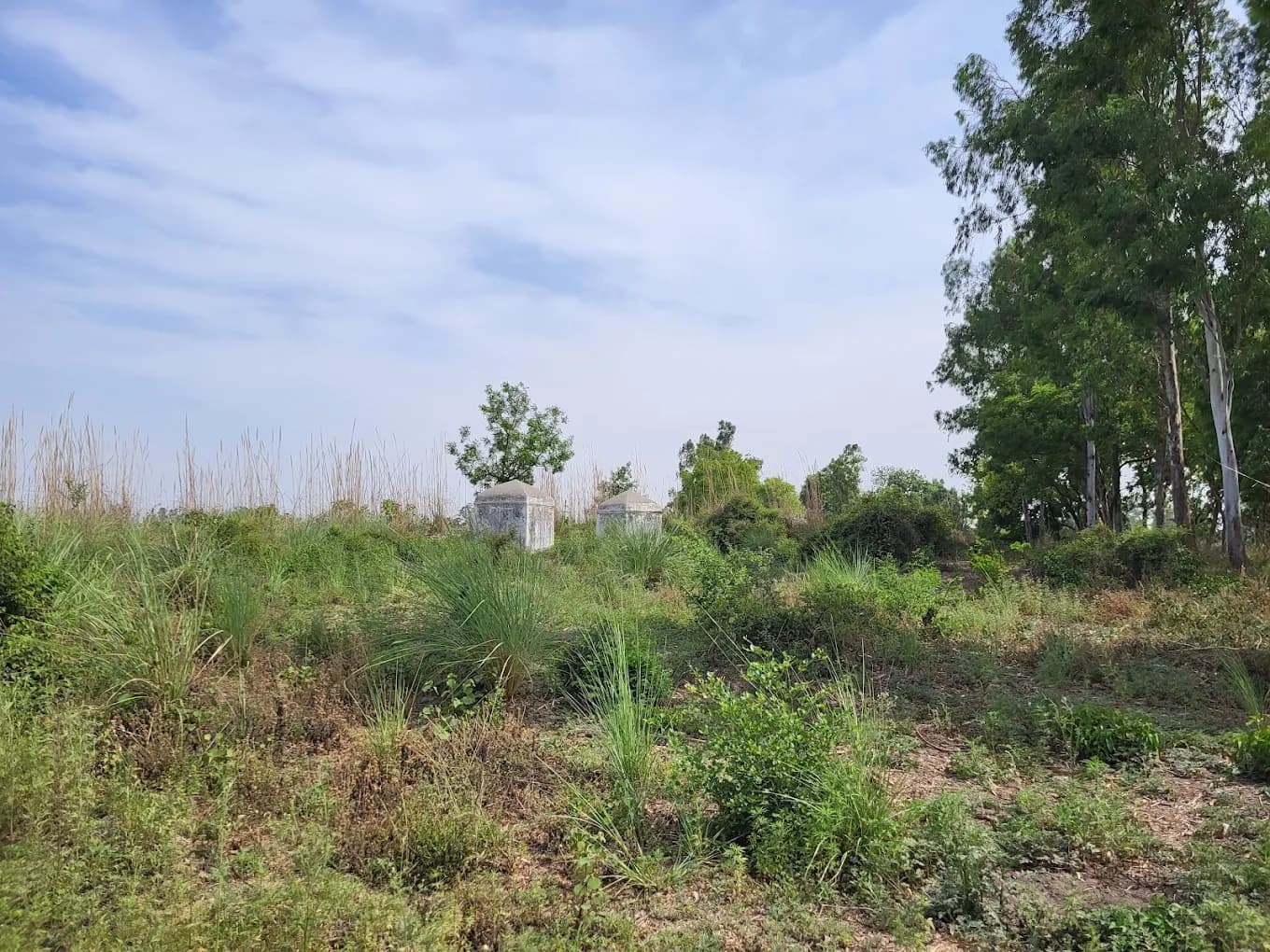
On the Ghaggar–Hakra plain, Banawali and Bhirdana add more pieces to the urban puzzle, while Agroha shows how exchange and craft kept the lights on long after the first cities dimmed. The Ancient Mound of Sugh and nearby Adi Badri pull you toward the early historic and Vedic landscape — river terraces where trade, ritual, and story walked the same paths.
You don’t need the script to be decoded to hear what’s being said. Plan for water. Build for heat. Keep the road open. The ideas survived as habits — in bricks, in drains, in the way towns face the river.