History doesn’t move in straight lines. It zigzags through sieges, prisons, and hills, leaving rooms that still argue with you.
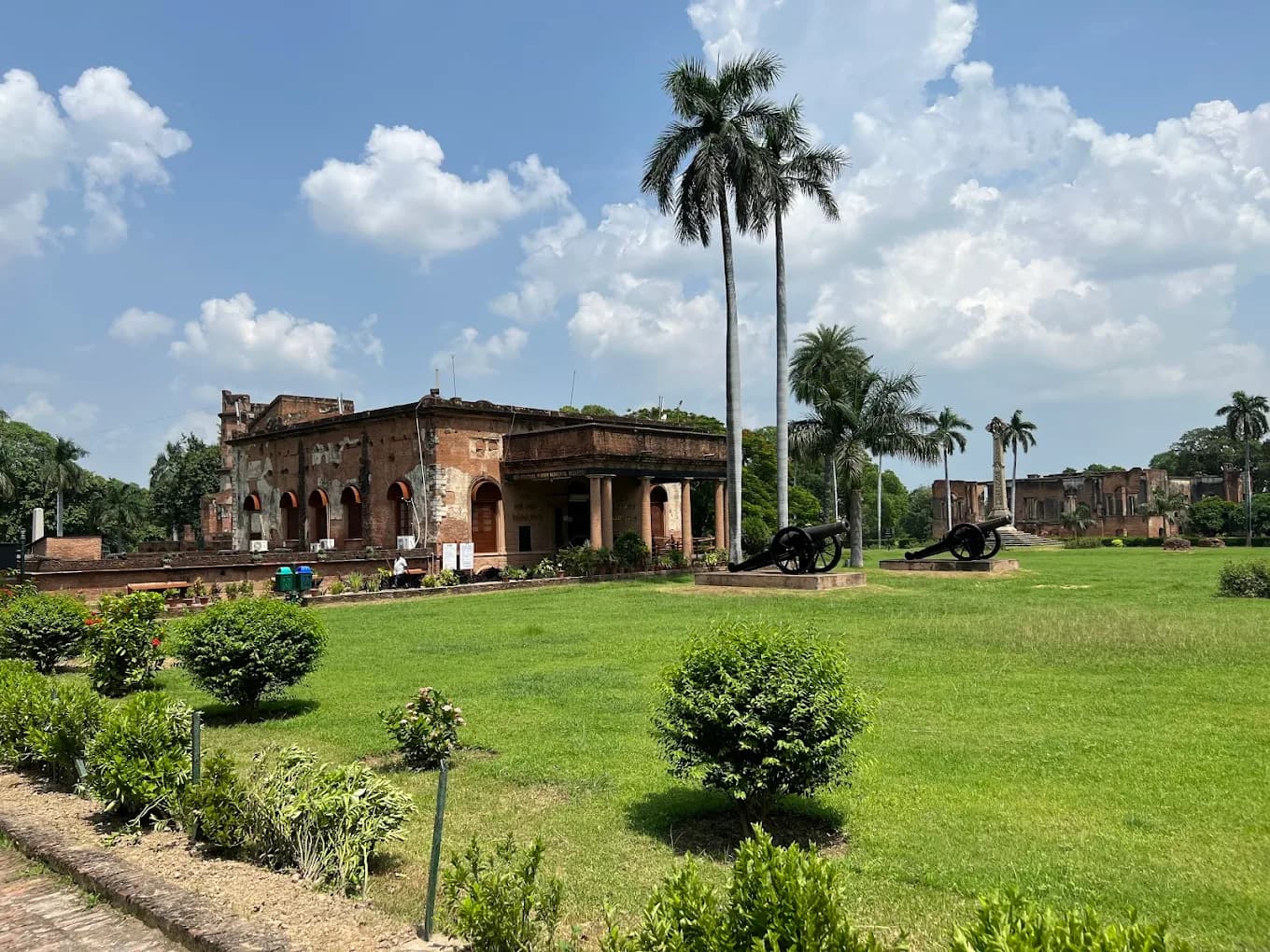
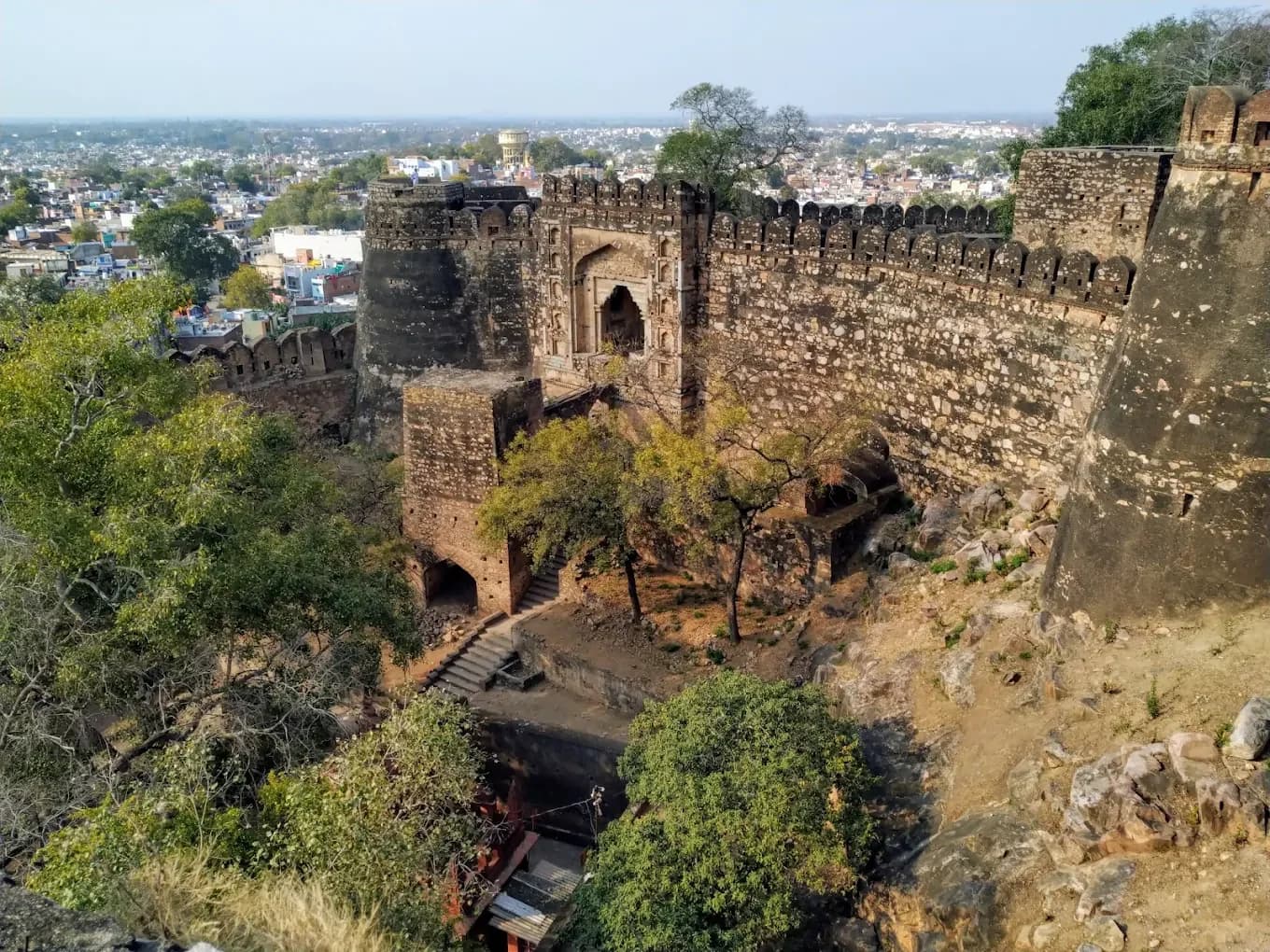
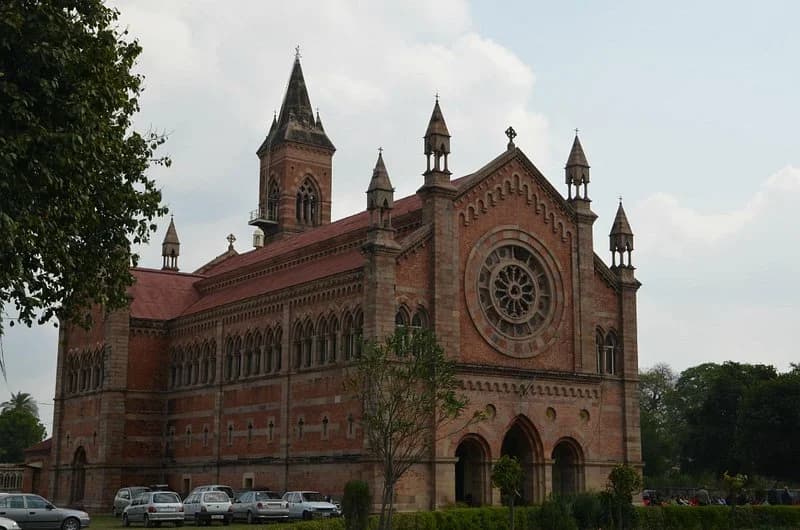
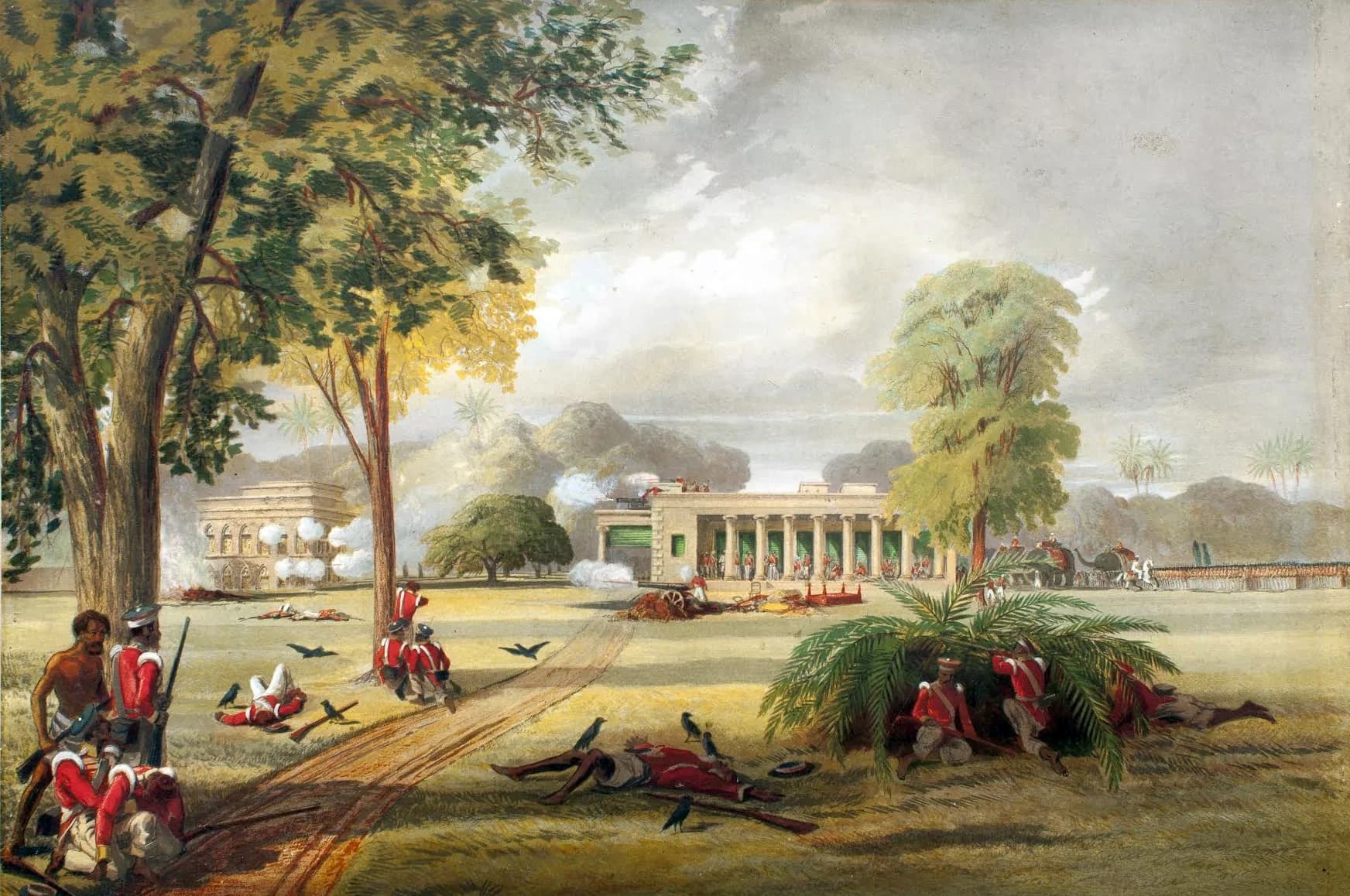
Start at the Residency in Lucknow, where the siege of 1857 is etched into walls and trees. Jhansi Fort puts you on the same ramparts where a queen’s resolve stopped being a paragraph and became a place. Kanpur Memorial Church and Arrah House are the uneasy chapters — grief, defense, and memory layered so thick you read more than one inscription at a time.
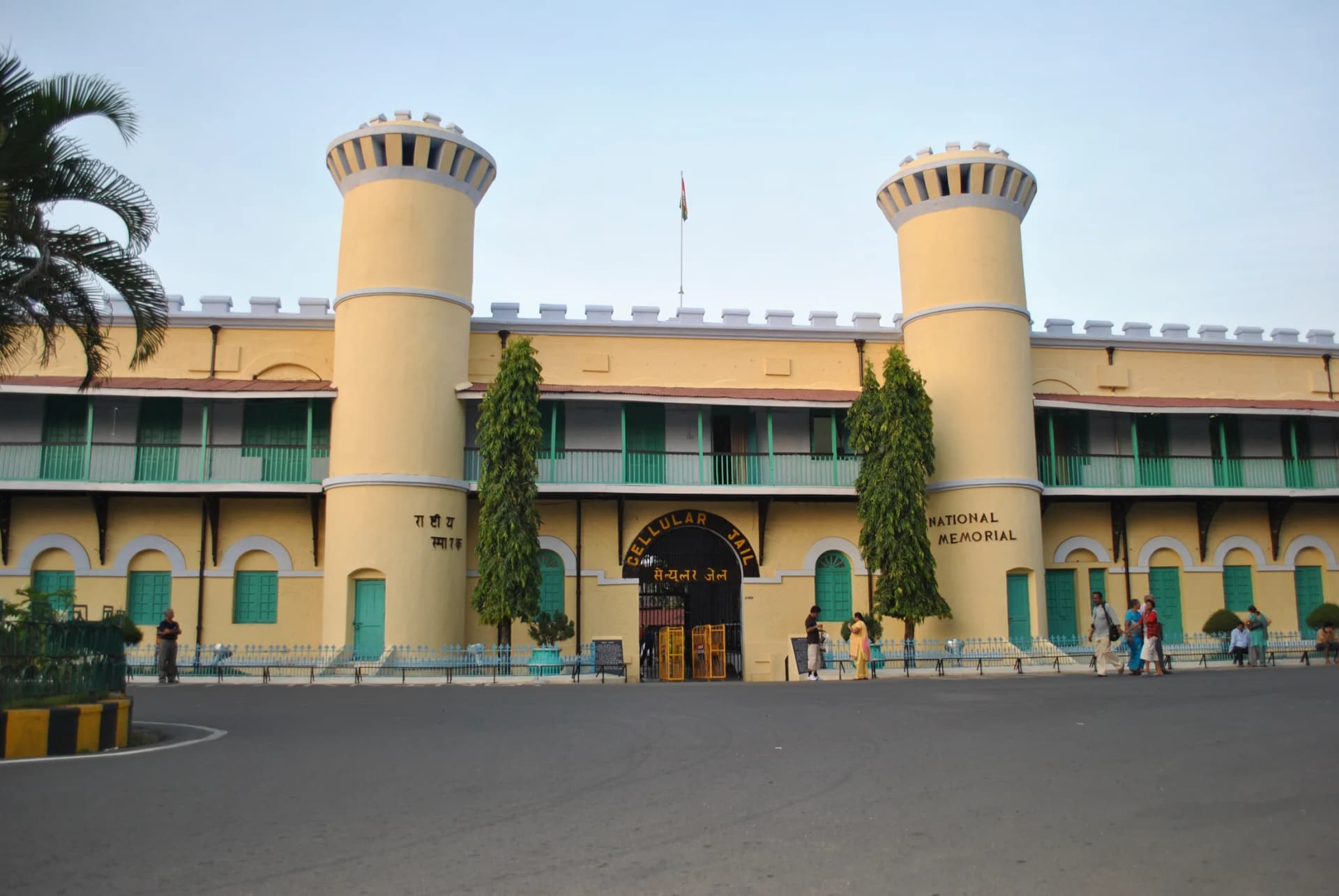
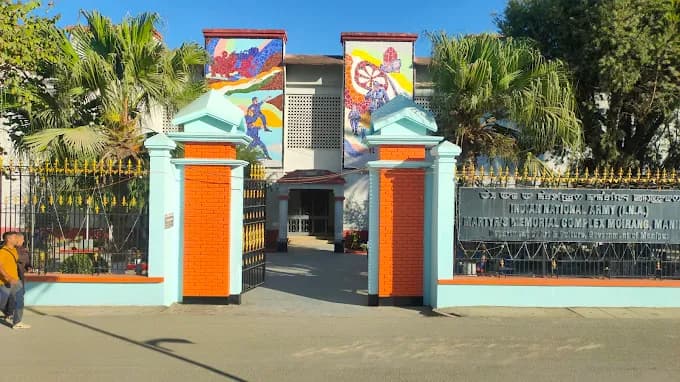
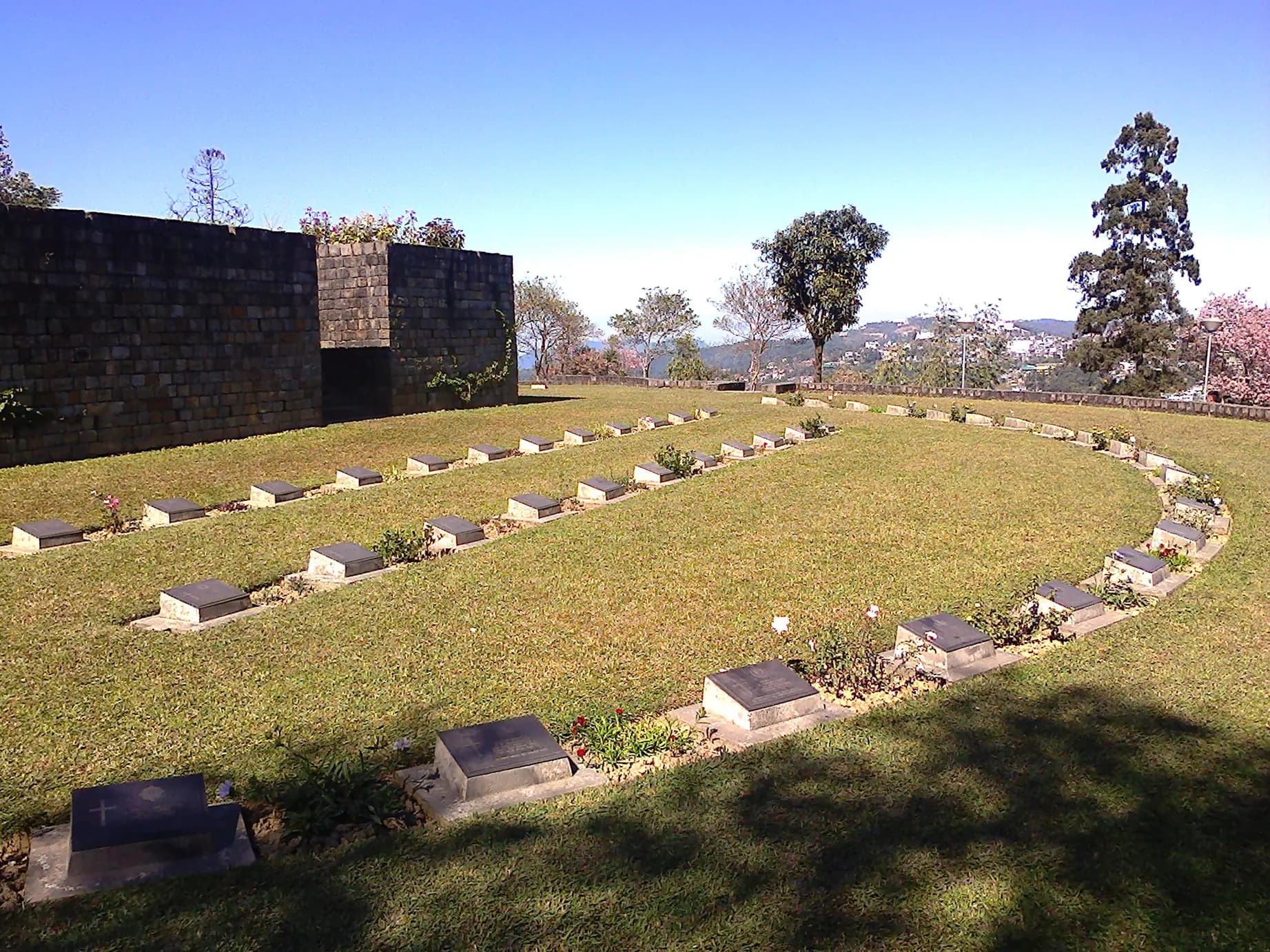
In Delhi, Khooni Darwaza is a reminder that capitals collect consequences. Far off in the islands, the Cellular Jail turns the price of dissent into architecture: long corridors, high silence, and a view of the sea that doesn’t comfort. At Moirang, the INA Memorial marks a brief flag-raising that still throws a long shadow. In the northeast, the ridge at Kohima War Cemetery is where a world war bent away from the plains.
Walk it in order and the slogans quiet down. What stays is steel, brick, salt air, and the sense that freedom was expensive — paid in small, stubborn installments.